
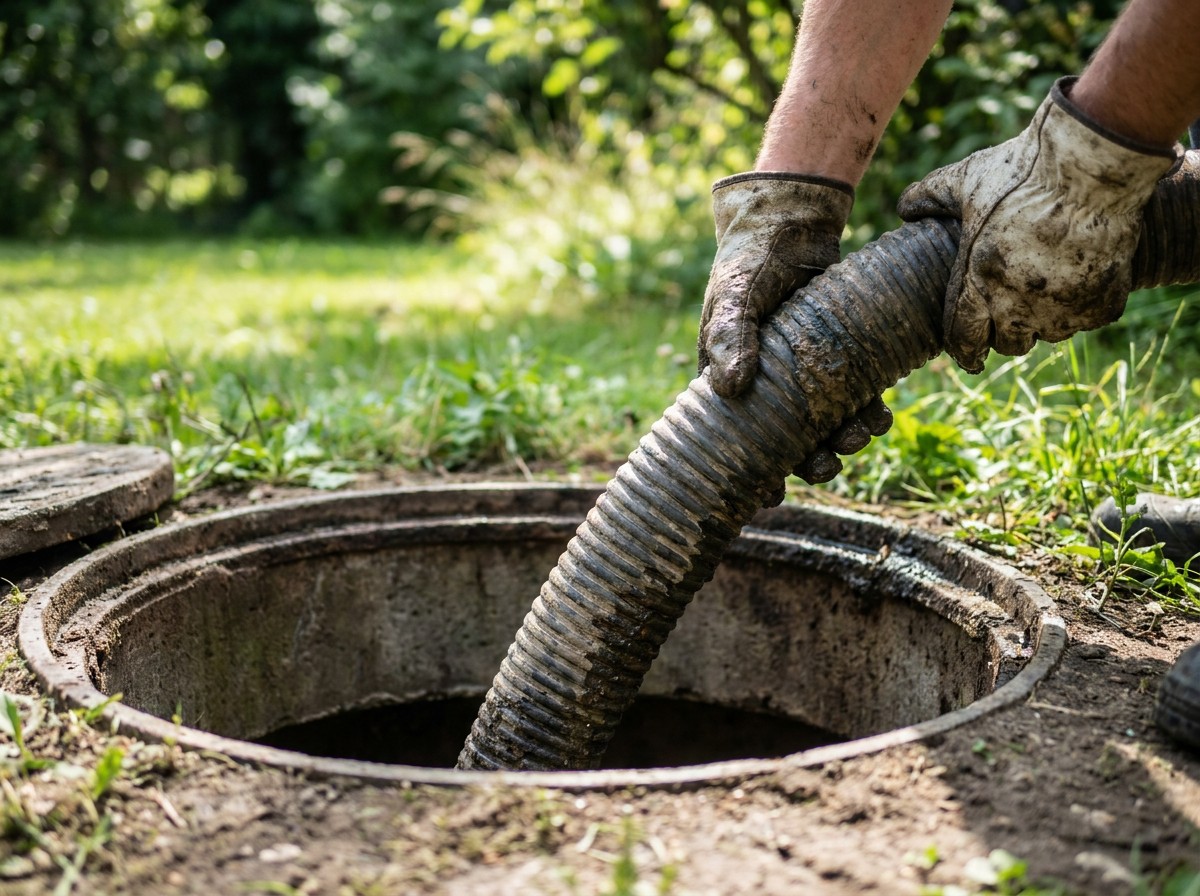
The General Rule
Most conventional septic tanks need pumping every 3 to 5 years. Aerobic systems generally need less frequent pumping since the aerobic treatment process breaks down solids more thoroughly, but they still require periodic pumping over time.
Factors That Change the Interval
- Household size — more people means more waste, more often
- Tank size relative to household size
- Use of a garbage disposal, which adds solids
- Whether the home hosts frequent guests or has above-average water use
Signs You're Overdue
- Slow drains throughout the house
- Sewage odor near the tank
- An alarm triggered by high water level
Why Pumping Matters So Much
Pumping removes solids before they can reach and clog the drain field or spray field — by far the most expensive part of a septic system to repair or replace. Staying ahead of the recommended interval is the single most cost-effective thing a homeowner can do for their system.
Key Takeaways
- Most conventional tanks need pumping every 3-5 years; aerobic systems less often but still periodically.
- Household size and water use are the biggest factors affecting the right interval.
- Pumping protects the drain field, which is far more expensive to repair than routine pumping costs.
Frequently Asked Questions
Property records, prior service history, or a technician's inspection can identify it if you don't already know.
Yes — it adds solids to the tank and can shorten the interval between pumpings.
Not harmful, just unnecessary cost — following the recommended interval based on your household size is the most efficient approach.