
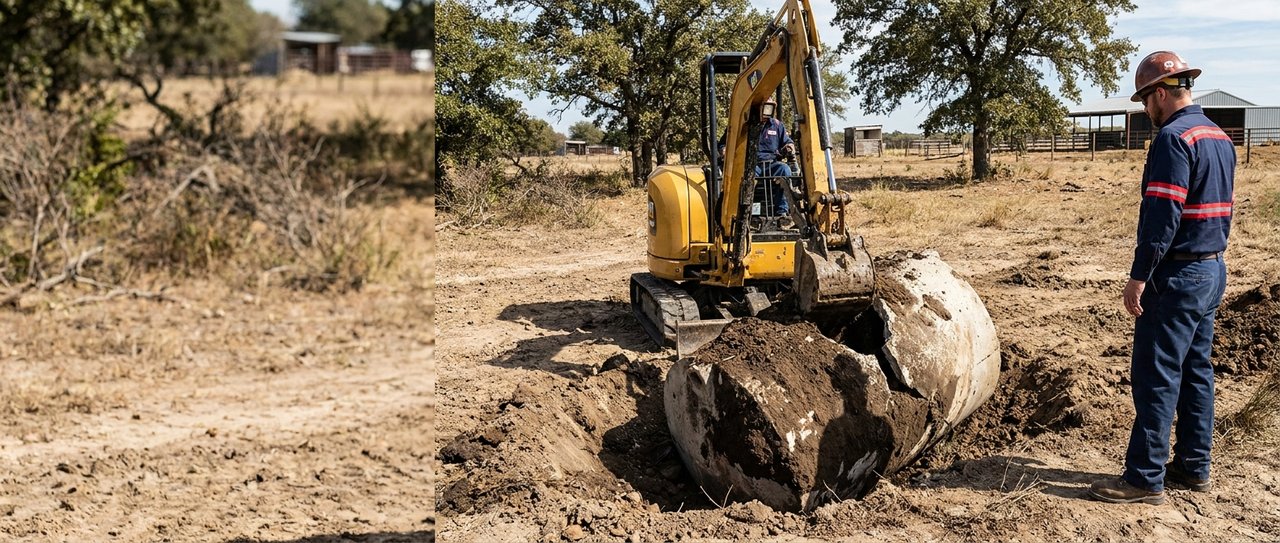
When Replacement (Not Repair) Is Required
Replacement is typically required when a drain field has failed structurally, a tank is cracked or structurally compromised beyond repair, or a system has reached the end of its practical service life despite maintenance.
The Replacement Permit Process
Replacement generally follows the same site evaluation, design, permit, and inspection process as a brand-new installation, since the old system's original design may no longer reflect current conditions or code requirements.
What's Different From a New Installation
- An existing failed system typically needs proper decommissioning as part of the project
- Site conditions may have changed since the original system was installed decades earlier
- Current code requirements may differ from those in place when the original system was installed
Timeline Expectations
Replacement projects often take longer than a simple repair due to the permitting and design steps involved, though most straightforward residential replacements move through predictably with an experienced installer managing the process.
Key Takeaways
- Replacement follows essentially the same permit path as new installation, not the simpler repair process.
- A failed drain field, cracked tank, or end-of-life system are the most common reasons replacement is required rather than repair.
- Older systems may need updates to meet current code requirements that didn't exist when they were originally installed.
Frequently Asked Questions
An honest assessment from an experienced technician distinguishes fixable issues from ones requiring full replacement — a second opinion is always reasonable for a decision this size.
Yes, generally — replacement follows the same site evaluation, design, and inspection steps as a brand-new installation.
Sometimes, if the tank is structurally sound — a site evaluation and technician assessment will confirm what can be reused.